Critical Approaches for Low-Cost Vehicle Repair: Decrease Hours and Expenses
Pinpointing cost-effective car service can be a challenging task for many motorists. With numerous possibilities available, it is important to pursue the undertaking strategically. By studying area repair professionals and recognizing vehicle maintenance needs, individuals can avoid unnecessary expenses. There are also techniques to manage minor issues on their own. However, the journey doesn't end there; exploring additional cost-saving methods can lead to substantial financial advantages. What ideas might be worth considering next?
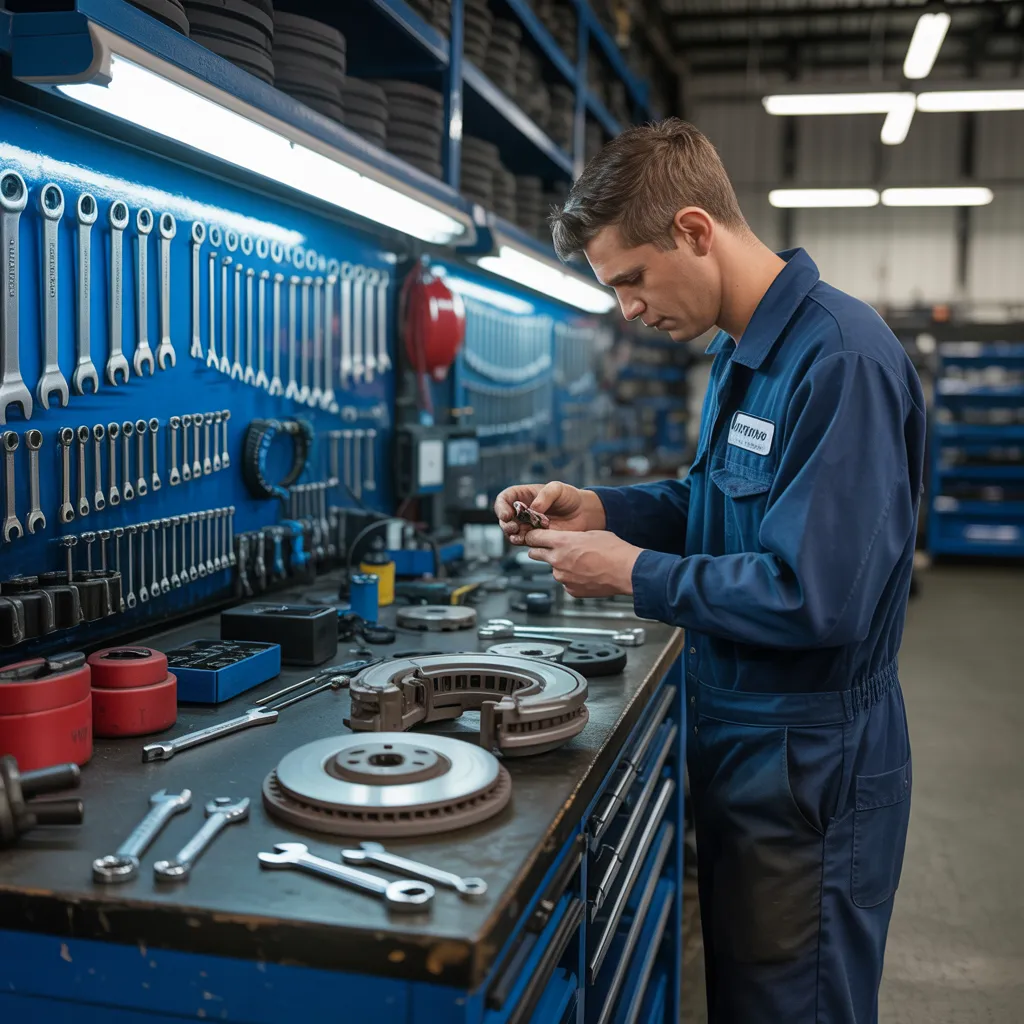
Find and Evaluate Local Mechanics
When looking for affordable auto repair, it is crucial to examine and evaluate local mechanics to ensure the best value for service. A comprehensive review involves checking online reviews, ratings, and testimonials to assess the quality of service provided. Consumers should also inquire about the certifications and experience of the mechanics, as this can significantly impact the reliability of repairs.
Additionally, procuring bids from various shops delivers perspective into the average costs for designated services. This evaluation works to identify any extraordinarily expensive or suspiciously low prices. Moreover, going to see repair specialists in person permits for a superior appraisal of their competence and customer support, which are critical components in establishing trust.
Ultimately, diligent research and comparison empower vehicle owners to make informed decisions, ensuring they select a mechanic who provides both excellent service and fair pricing, thereby important guide saving money in the long run.
Get to know your vehicle's maintenance requirements
How can vehicle owners ensure their cars remain in peak condition? Understanding a vehicle's maintenance needs is essential. Each car comes with a manufacturer's maintenance schedule, outlining when specific services should be completed. This schedule generally contains oil changes, tire rotations, brake inspections, and fluid replacements. Following these recommendations helps prevent costly repairs down the line.
Moreover, owners should be mindful of warning signs indicating possible problems, such as unusual noises or dashboard warnings. Frequently inspecting fluid levels, tyre inflation, and the condition of belts and tubes can also extend a car's lifespan.
Implement do-it-yourself solutions for minor problems
Grasping a car's maintenance needs establishes the foundation for quality car care, yet many small problems can be handled through do-it-yourself repairs. For instance, tasks like changing windshield wipers, swapping out air filters, or topping off fluids can be easily managed by car owners. DIY repairs not only save money on labor costs but also empower individuals to gain a deeper understanding of their vehicles.
Web-based materials, featuring tutorial videos and forums, deliver valuable guidance for those inexperienced with car maintenance. Basic tools, like wrenches, screwdrivers, and pliers, are often adequate for these straightforward repairs. Additionally, maintaining regular upkeep of minor issues can prevent them from escalating into more substantial problems, ultimately extending the vehicle's lifespan. By implementing a DIY approach, car owners can successfully handle their maintenance needs while minimizing expenses and enhancing their overall automotive knowledge.
Look for Sales and Promotions
What techniques can car owners utilize to save money on maintenance costs? One efficient method is to actively look for promotions and discounts offered by auto repair shops. Many organizations extend limited-time promotions, customer rewards programs, or referral bonuses that can reduce repair expenses. Car owners should also enroll in communications or monitor social media accounts of local repair shops, as these often feature exclusive deals.
Furthermore, using online discount sites can uncover time-sensitive offers that can be applied to repairs. Car owners may learn that some manufacturers or parts suppliers provide rebates on particular services, which can further aid in cutting costs. By taking the time to investigate and remain attentive about available promotions, car owners can save money while guaranteeing their vehicles stay in good condition. Overall, being active in seeking discounts can result in substantial savings on necessary auto repairs.
Keep a Thorough Service Log
Maintaining a detailed record of car upkeep is essential for car owners seeking to minimize maintenance expenses. By documenting every service and repair, owners can track the car's background, identifying trends that may suggest underlying issues. This record serves as a valuable reference for mechanics, enabling them to make informed decisions about required maintenance and repair timelines.
Routine entries including oil changes, tire rotations, and brake inspections help guarantee that the vehicle stays in top shape. Additionally, keeping records can support in warranty claim processing, as it proves conformance to the manufacturer's suggested maintenance schedule.
Furthermore, a comprehensive log can provide advantage when discussing repair costs, as it demonstrates proactive maintenance efforts. Ultimately, maintaining a well-organized service log not only enhances vehicle longevity but also empowers owners to make better economic choices regarding their auto repair needs.
Common Questions Posed Often
What Strategies Should I Take to Identify a Reliable Mechanic?
To locate a dependable mechanic, one should solicit advice, read reviews, validate expertise, and notice workshop tidiness. Participating in honest conversations about fees and mechanical work also encourages honesty and establishes confidence in the technician's offerings.
What Are Regular Red Flags My Car Could Use Fixes?
Signs that a car needs maintenance include unusual noises, warning lights on the dashboard, poor performance, fluid leaks, and changes in handling or braking. Addressing these issues promptly can prevent further damage and higher repair costs.
Can You Decide Between Original Parts and Aftermarket Parts?
Using authentic components assures compatibility and reliability, while replacement components may offer price advantages. The preference depends on personal preference, financial resources, and the specific repair, weighing sustained benefits against immediate expenses for sound conclusions.
What's the Most Effective Way to Address Problems With a Repair Shop?
To manage disputes with a repair shop, one should document all exchanges, assemble facts, and openly express complaints. If necessary, escalating the situation to supervisors or requesting mediation can help conclude conflicts productively.
What Represents the Average Cost of Frequent Fix-ups?
The median cost of routine auto repairs fluctuates significantly. For instance, brake pad replacement generally costs from $150 to $300, while diagnostic engine work may cost between $100 and $200, depending on the vehicle and location.